
Materials, handling and conservation
Quality and maintenance of your work
Fine Art paper, printed canvas and oil paint cannot be handled in the same way. Find the right gestures as soon as you open the package and during the exhibition.
The right gesture depending on the material
Paper, canvas, glazing and oil are not the same
The common rule remains simple: clean hands, light gestures, dry tools and indirect light. Never apply liquid product directly to the work.

Recognize the material
The right actions depend on the surface


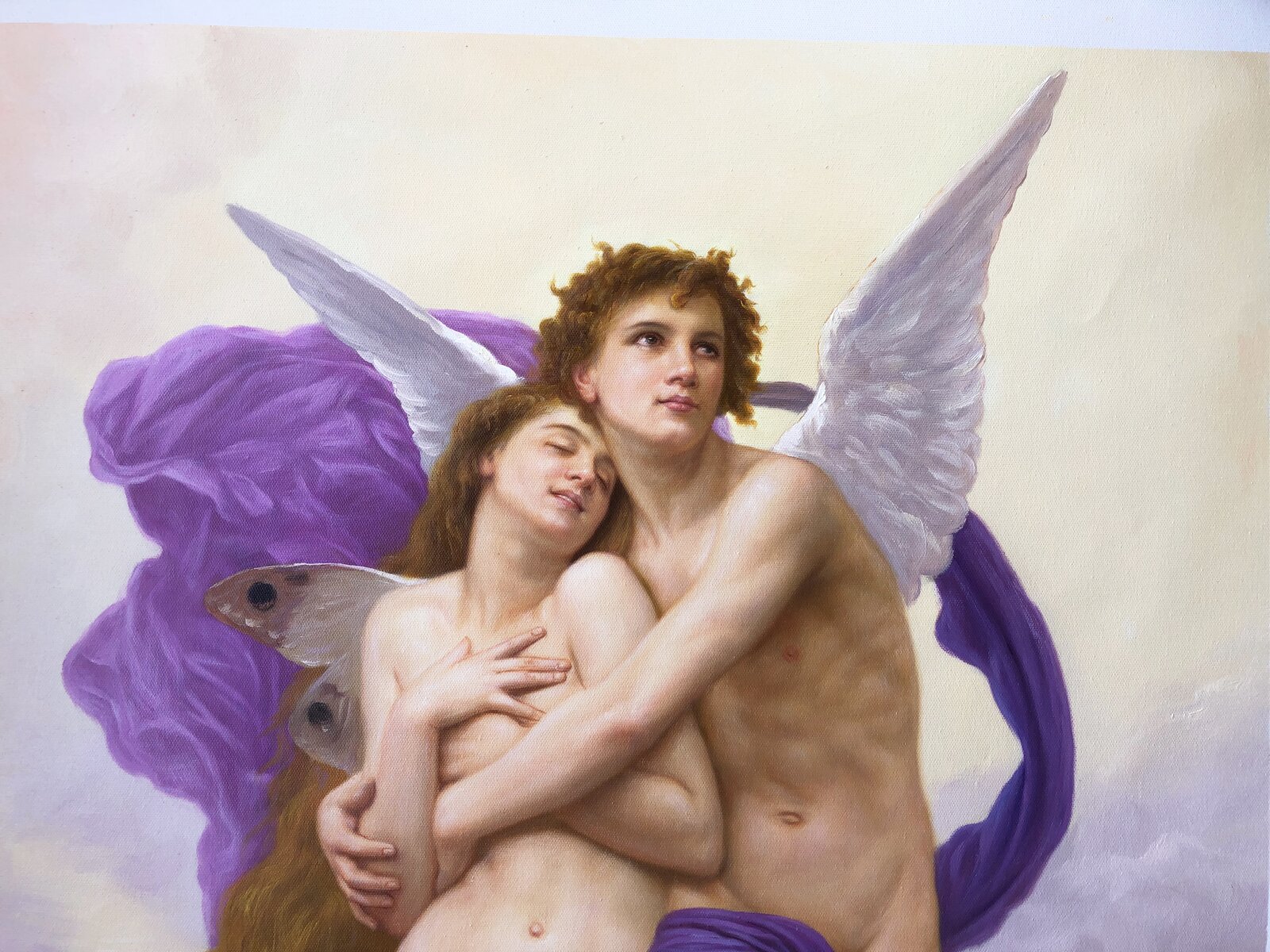
Three achievements, three precautions
Materials and their essential maintenance
| Realization | Composition and presentation | Essential maintenance |
|---|---|---|
| Fine Art Print | Hahnemühle German Etching paper 310 g, matte and textured; available alone or with classic frame depending on the destination. | Handle the paper by the edges with clean, dry hands. Avoid contact with water and protect the unframed print. |
| Printed canvas | 400 g canvas canvas, delivered rolled, stretched on a 38 mm frame or presented in a floating frame. | Dust without pressure with a soft, dry accessory. Do not use household products or soak the canvas. |
| Oil painting | Hand painted to order, delivered rolled without frame or frame. | Entrust tension and framing to a professional. Never use common solvent or cleaner. |
Characteristics of the presentations
What each finish includes
Classic frame
- Acrylic glazing.
- Presentation without mat.
- Up to eight colors depending on configuration.
- Profile approximately 20mm front and 22mm depth.
Tense or floating
- 38 mm frame for stretched canvas.
- Mirror, image, black or white vocals when offered.
- Up to six floating frame colors.
- Visual space around the canvas for the floating effect.
Rolled canvas
- Painted to order by a specialized partner workshop.
- Delivered without frame and frame.
- Ready to be stretched or framed locally.
- Natural variations specific to manual gesture.
Availability: the dimensions, frames and colors visible in the configurator are authentic for the chosen combination. Some material characteristics may vary depending on the production region.
Inspect without damage
Upon receipt of the package
Observe the exterior
If the package is in shock, photograph the assembly, label and affected area before opening.
Open carefully
Use a clean surface and avoid deep blades that could reach the paper, canvas or frame.
Control the configuration
Compare the frame artwork, size, presentation, vocals and color with your order.
Keep packing
Keep it during inspection: it may be necessary to document a transportation-related request.
If you have a problem, see the page Damaged returns, cancellations and packages.
Preserve matter over time
Choose location wisely
Light
Avoid permanent exposure to direct sunlight. Prefer regular, controlled light, especially near a window.
Humidity and heat
Choose a dry and stable room. Keep the work away from radiators, fireplaces, air vents and condensation areas.
Hanging
The fixing must be suitable for the wall, the format and the final weight. For a large format, seek advice from a qualified framer or installer.
Practical advice
The gestures adapted to each support
Handle a Fine Art print without a frame
Do not touch the printed surface. Take the print by the edges with clean, dry hands, keep it flat in suitable protection and preferably entrust its assembly to a framer.
Clean acrylic glazing from a classic frame
Remove dust with a clean, very soft microfiber. Do not apply product directly to the glazing and avoid abrasive cleaners, alcohol and ammonia.
Dust a printed canvas
Use a clean duster, a very soft brush or a dry microfiber, without pressing. Do not use water, spray or household wipes on the surface.
Tender a rolled canvas
Do not bend the canvas or stretch it with improvised tools. Keep it rolled without crushing it and entrust its installation on a frame to a professional, asking them to respect the entire image.
Maintain handmade oil paint
Avoid water, solvents and household products. For light dust, only use a very soft, dry brush without pressure. In case of stain, deformation or alteration, consult a conservation professional.
Real material and digital overview
Colors, textures and on-screen rendering
A screen emits light while paper, canvas or paint reflects it. The brightness of the device, the lighting of the room and the material chosen can therefore modify the perception of colors.
Fine Art
The matte, textured surface gives a different look than a glossy screen and limits direct reflections.
Printed canvas
The weft of the canvas contributes to the perception of details, light and flat areas of color.
Oil painting
Brush touches, relief and slight variations in shade are part of the manual production.
Media marked "Example Work" illustrate a medium, frame, song, or technique. To control the ordered image, refer to the "Your Work" preview and summary.
Practical questions
The essential points
Can I hang a rolled canvas as soon as it is received?
No. It must first be stretched on a frame or framed.
Does the classic frame have mineral glass?
The current configuration uses acrylic glazing, without mats.
Why aren't all frame colors always offered?
Availability depends on country, media, finish and size. The configurator displays compatible choices.
Choose with full knowledge of the facts
Compare materials before configuring your work
Then open the image of your choice to see the formats and finishes available in your country.